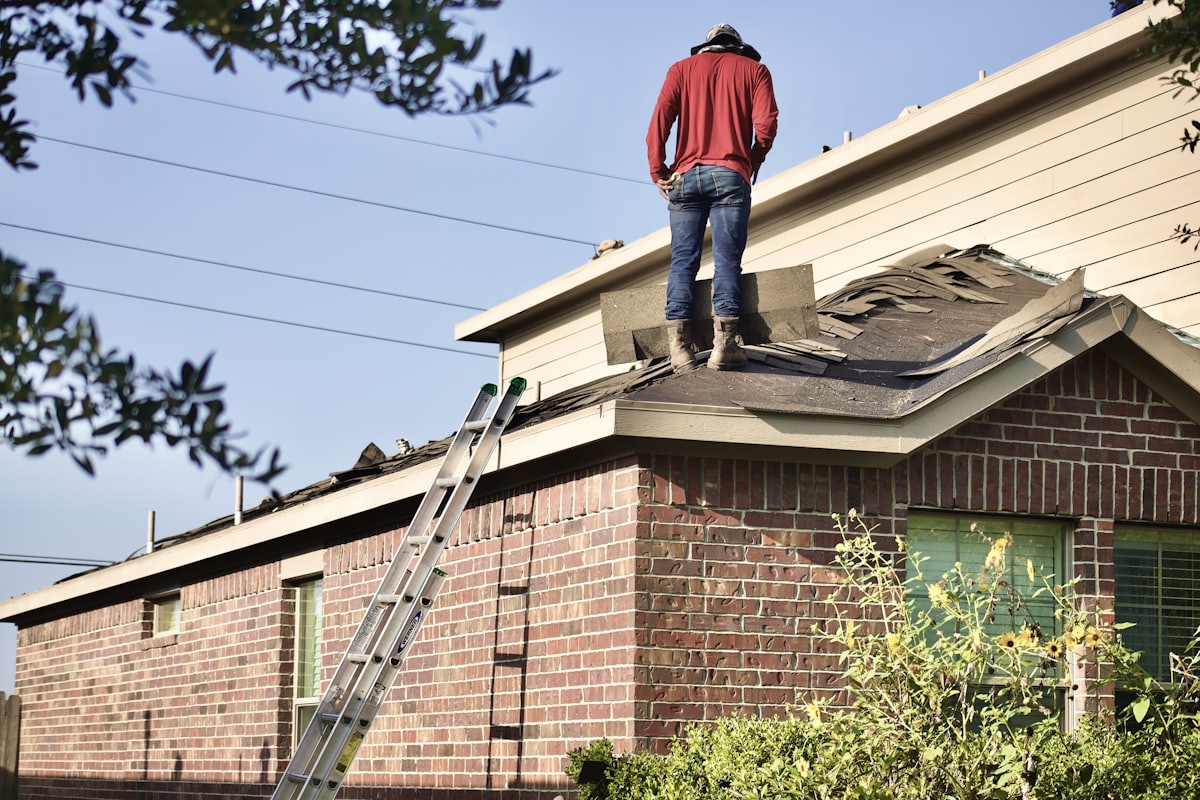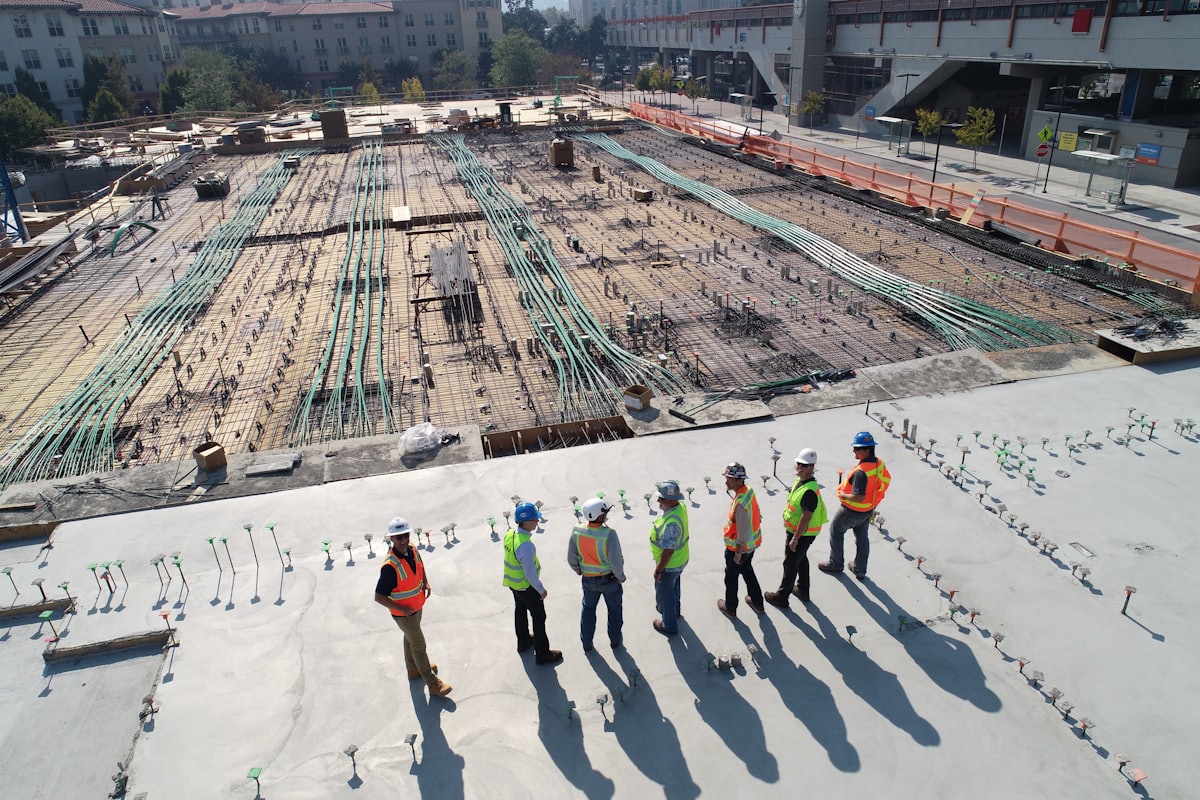
Rough construction is the most critical stage, forming a building's load-bearing skeleton from foundation to roof and defining its safety. Full compliance with the structural project and soil survey is essential for an earthquake-resistant, durable building.
Start With a Soil Survey
Before excavation, a soil survey determines bearing capacity and foundation type; skipping it raises the risk of settlement and cracking.
Right Foundation Type
On weak soils, a raft foundation spreads the load over a wide area; on firm soils, isolated or strip footings may suffice.
Rebar and Concrete Class
Rebar diameter, spacing and concrete class (e.g. C30) from the structural project must be followed exactly; missing steel lowers capacity.
Vibrate the Concrete
If poured concrete isn't compacted with a vibrator, voids (segregation) remain and strength drops significantly.
Don't Neglect Curing
After pouring, concrete must be kept moist for several days; proper curing prevents cracking and reaches design strength.
Plan Infrastructure Channels
Leaving plumbing, drainage and grounding channels during rough construction avoids later concrete-breaking costs.
Advantages
Structural Safety: Rough construction true to the project keeps the building safely standing under earthquakes and loads.
Long Lifespan: Correct concrete, rebar and curing let the structure last decades with minimal maintenance.
Solid Base for Finishing: A straight, plumb frame eases later plastering, insulation and finishing and improves quality.
Conclusion
As Samsun Tadilat İnşaat, we provide rough construction services across Samsun, primarily in Atakum, İlkadım, Canik and 19 Mayıs. Contact us for a free survey and a clear quote.